
Define the feature
Describe the task, who uses it and what a successful result looks like.

Need an existing website updated or a custom feature changed? Peter reviews PHP code, database-driven features and integrations before agreeing the scope and cost.















Website development covers custom PHP changes, database-driven features, ecommerce and integrations. For small WordPress changes or help changing providers, see WordPress support. For layout and presentation, see website design.
Describe the task, who uses it and what a successful result looks like.
Check the platform, existing plugins and constraints before choosing an approach.
Keep the steps clear for customers and the people managing the site.
The quote sets out the work, dependencies and testing before development starts.
The approach and inclusions depend on your site and the agreed project scope.
Turn the business requirement into a practical specification.
Has your host asked you to upgrade PHP, or does your website stop working on a newer version? Peter can review your PHP code, database-driven features and dependencies, then scope compatibility fixes and an upgrade to a suitable supported version. Backups, testing and the release approach are agreed before changes go live.
Review the system’s API, access requirements and limitations before quoting a connection.
For WordPress builds and changes, see WordPress development.
Plan products, checkout and payment requirements around the way your store operates.
Identify loading problems and agree which changes are worth making.
Define the actions you need to measure and the tracking work included in the quote.
New features are quoted to scope. Ongoing maintenance is available separately through WordPress care plans.
A working feature needs to fit your content, design and existing website. Search-friendly foundations support discovery; they do not guarantee Google rankings.
Use useful page titles and a logical heading structure.
Keep links to important services easy to follow.
Plan redirects if the project changes existing URLs.
Review loading and mobile behaviour during testing.
Agree who maintains the site after handover.
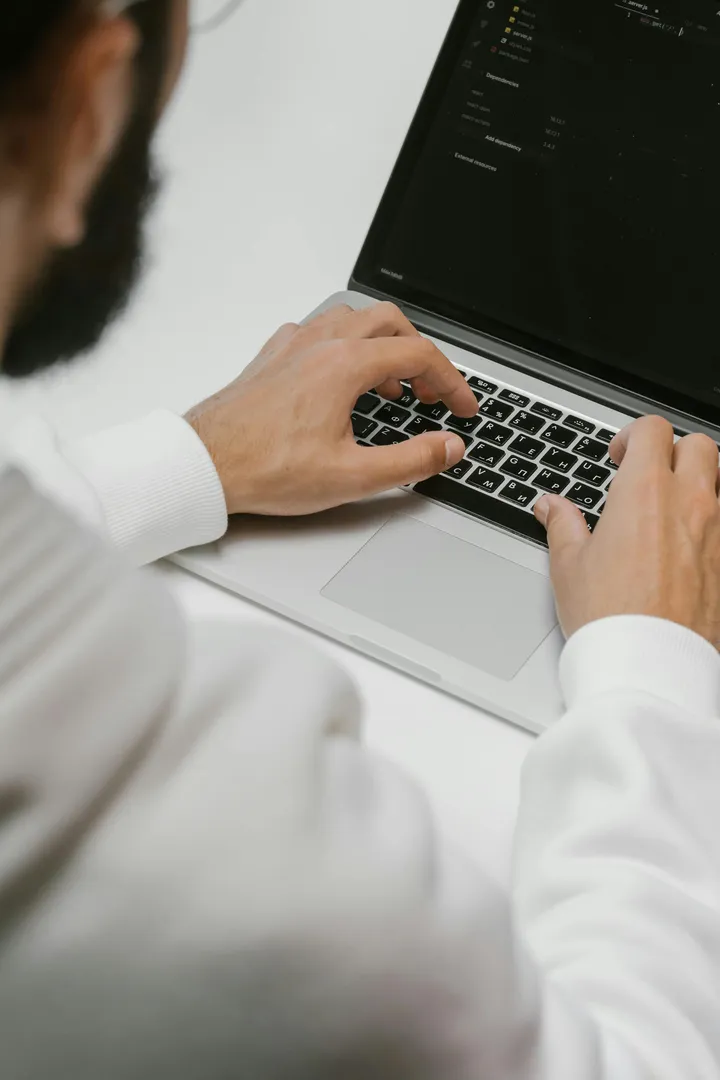
Testing follows the agreed requirements and the customer journey.
The feature performs the agreed task.
Forms show clear validation and confirmation messages.
The customer journey works on mobile and desktop.
Any integration is checked against the connected system’s response.
The site administrator can use the agreed controls.
The handover explains how the feature works and any limits.
We’re proud of the positive impact we’ve made for our clients.
See what they have to say about our dedication, expertise, and results-driven approach.
Excellent

Southcare is a charity in Carrum Downs and we wanted a web page so we turned to Microbite. They were able to provide a ‘mock up’ site so our members could see what was on offer. We worked with Microbite to the stage where we are very happy and impressed with the outcome.


Peter is amazing at his craft. He has been doing an amazing job on our website and his detail to attention is incredible.
Peter always provides additional advice to improve your website.

I recommend Peter as a website developer, he has a fantastic eye for unique designs and was able to implement some of the best changes for my website.
Peter has always been prompt, reliable and open to ideas.
He can seemingly do anything, so he’s very highly recommended.

Peter did an excellent job in designing my Ikebana Floral Therapy website. The final product was very functional, tasteful, and aesthetically nice to look at. Peter was a good listener and knowledgeable in web design. His service delivery was responsive and on time.
I am delighted with the website, and I would recommend Microbite Websites to anyone who is looking to create a customised website.

Peter has been fantastic. He encompassed my brand perfectly creating a beautiful and professional website. Clients often tell me they love the look my website and the tone of voice used throughout as it’s very elegant and professional but still has a ‘local’ soft feel to it. Exactly what I wanted. Thanks Peter :)
As a small bussiness owner it has always been on the back of my mind to start a website but had never gone ahead with it due to not knowing where to start and what to write. Peter and Jayden had made my experience extremely easy. From me just sending them pictures and logos and from them making it into what it is, is so pleasing due to me being time poor. Couldn’t be happier with the final results. Definitely 100% recommended.
From Kris at SA Weldfab

The guys at Microbite were extremely fast and reliable with their turnaround on our website. Couldn’t be happier with our new website! Thanks guys

Peter got me out of a bad situation with another Web Developer. He listened, advised and provided a professional website with clarity and links to all the necessary Add On apps required. Excellent flow of conversations and speedy responses to queries.

Peter’s skill set was amazing, he worked with us for exactly what we needed.
Anyone wanting a website built would be wise to choose Microbite Websites. I have been blessed with an amazing website that I love. Peter from Microbite Websites listened to my design ideas and transformed them into a website that is beautiful and functional. I really am grateful to have found the services of Peter from Microbite. Honestly, if you need to find a skillful website designer that is not a ripoff, get in touch with Peter from Microbite Websites. Thanks again Peter!

Peter was assigned to take on the complex task of setting up our websites. Peter’s skill set was amazing, he worked with us for exactly what we needed. No matter the task Peter went the extra distance to ensure he developed what I would call a perfect website. We will be using Peter for any further work – very highly recommended.
We had the pleasure of working with the Microbite Team to set up our first company website.
Peter and his team made the journey stress free and guided us through the process which helped us create an amazing website that we are very proud of!
We highly recommend the Microbite Team.

Very happy to work with Peter. Work was completed quickly and to a high standard.
No matter the task Peter went the extra distance to ensure he developed what I would call a perfect website.
Peter & Jayden approached my business as I didn’t have a website. They kept in contact with me until I was ready to proceed.
The process was seamless, communication was excellent, pricing was very reasonable, and the end product has met all of my expectations. We had a few changes needed to the initial website that was built before going live, and every change request was met, in a timely manner and was not an issue.
Highly recommended.
Thank you again!
Peter and Jayden at Microbite Websites are fantastic. Peter especially was so helpful and patient throughout the process of building and tweaking our website. We are so pleased with the site and would highly recommend Microbite to others looking for websites, brand builds and everything in between.
Team was easy to deal with, affordable and did a great job of the website.
Peter created a website for us Great layout exactly how I wanted it He gives good advice to make a website great
Peter was extremely helpful with creating our website. He brought our company to life and was very knowledgeable with what works and what doesn’t.
Would recommend him highly.
Seamless experience, Peter was able to take my inspiration and make a beautiful site that i am beyond happy with. Thank you for a great experience.
Very happy with our experience with Microbite, they made our website and we are stoked! Highly recommend.
“Peter completed the task to convert my ancient Dreamweaver website to Wordpress in a very professional and prompt manner. The end result is better than expected and Peter’s expertise has provided me with the framework to take it to the next level. I have no hesitation to recommend Peter to any prospective clients and I certainly won’t need to search further afield for any future IT problem solving.
Many thanks Peter, job well done.”
Best regards
Rudi & Avalon @ Palm Beach Bed & Breakfast
Design shapes the layout, appearance and content presentation. Development makes features work, such as checkout, custom forms and integrations. A project can include both.
Yes. Share the URL, the changes you need and any information about the current code or database. Peter can assess an existing or unfinished website before recommending a scoped change. Any investigation, development cost and timing are agreed before work starts.
The answer depends on the system, its API and the access available. Include the system name and the workflow you need when enquiring.
Ongoing maintenance is a separate service. Compare the WordPress care plans for current inclusions and support allowances. Additional development is agreed separately.
Timing depends on the feature, content, access and third-party dependencies. The scope and proposed timing are discussed before work starts.
Yes. Share your website address, current PHP version and any message from your host. For a move such as PHP 7.4 to PHP 8.5, Peter first checks the application, custom code and dependencies; on WordPress sites, that includes the theme and plugins. The suitable target version and any compatibility fixes depend on that review. The quote sets out backups, testing and the release approach, with major rewrites or replacement software scoped separately.